
Fire Strategies

A Fire Strategy is a document that sets out how a building has been designed to manage fire risk. Where a fire risk assessment looks at how a building is managed and used on an ongoing basis, a Fire Strategy explains how and why the building itself was designed to keep occupants safe. This can be completed prior to construction works or retrospectively.
Fire Strategies are typically required for new build developments, extensions and material alterations to buildings under Building Regulations (Approved Document B), and are increasingly expected for existing buildings too - particularly high-rise residential blocks, buildings with complex or unusual layouts, and premises undergoing refurbishment or change of use.
For higher-risk buildings under the Building Safety Act 2022, a Fire Strategy also forms a core part of the ‘Golden Thread’ of information that must be created, maintained and kept accessible throughout a building's lifecycle.
Whilst these documents are most often a requirement of planning applications or building control approval, a good Fire Strategy is more than a compliance document but instead should be a clear, working reference that architects, building control, fire risk assessors, contractors and building owners can all rely on - both during construction and for the lifetime of the building. Ultimately, they are intended to keep occupants safe throughout a building’s design life.
When is a Fire Strategy required?
If you're planning new construction, an extension, a material change of use, or significant alterations, building control will generally expect a Fire Strategy to support the application. For existing buildings - particularly those that are complex, high-rise, or have been altered over time without clear documentation - a Fire Strategy can also be commissioned to clarify how the building is meant to perform in a fire, and to identify where the as-built condition has drifted from the original design intent.
Do I need a Fire Strategy, Fire Risk Assessment or both?
A Fire Risk Assessment is a legal requirement under the Regulatory Reform (Fire Safety) Order 2005 for existing, occupied buildings, and focuses on management and ongoing risk. All buildings that are not single private residences require a Fire Risk Assessment.
A Fire Strategy is a design document, most relevant at the construction, alteration or refurbishment stage, that explains the fire safety measures built into the structure itself. These can also be undertaken retrospectively if it is identified that a greater understanding of fire safety measures within a building is required. These are NOT a legal requirement for all buildings.
In practice, the two work together - a Fire Strategy sets out the design intent, and the Fire Risk Assessment checks that intent is still being met once the building is in use. A Fire Strategy therefore does not replace a Fire Risk Assessment, but instead can help inform it once a building is occupied.
What does a Fire Strategy cover?
The depth of a Fire Strategy can vary significantly by the type of building being considered, however there are some common themes that should be present regardless of complexity.
A thorough Fire Strategy report will typically address:
1. Details of the building’s proposed occupants and the activities that will take place;
2. Means of escape and travel distances;
3. Evacuation strategy (including simultaneous evacuation, stay-put, and PEEP/PCFRA considerations where relevant);
4. Compartmentation and fire separation between areas and floors;
5. Fire detection and warning systems, in line with BS 5839;
6. Emergency lighting provision, in line with BS 5266;
7. Fire suppression, where required;
8. Smoke control and ventilation strategy;
9. External fire spread and cladding considerations under Approved Document B and Regulation 7;
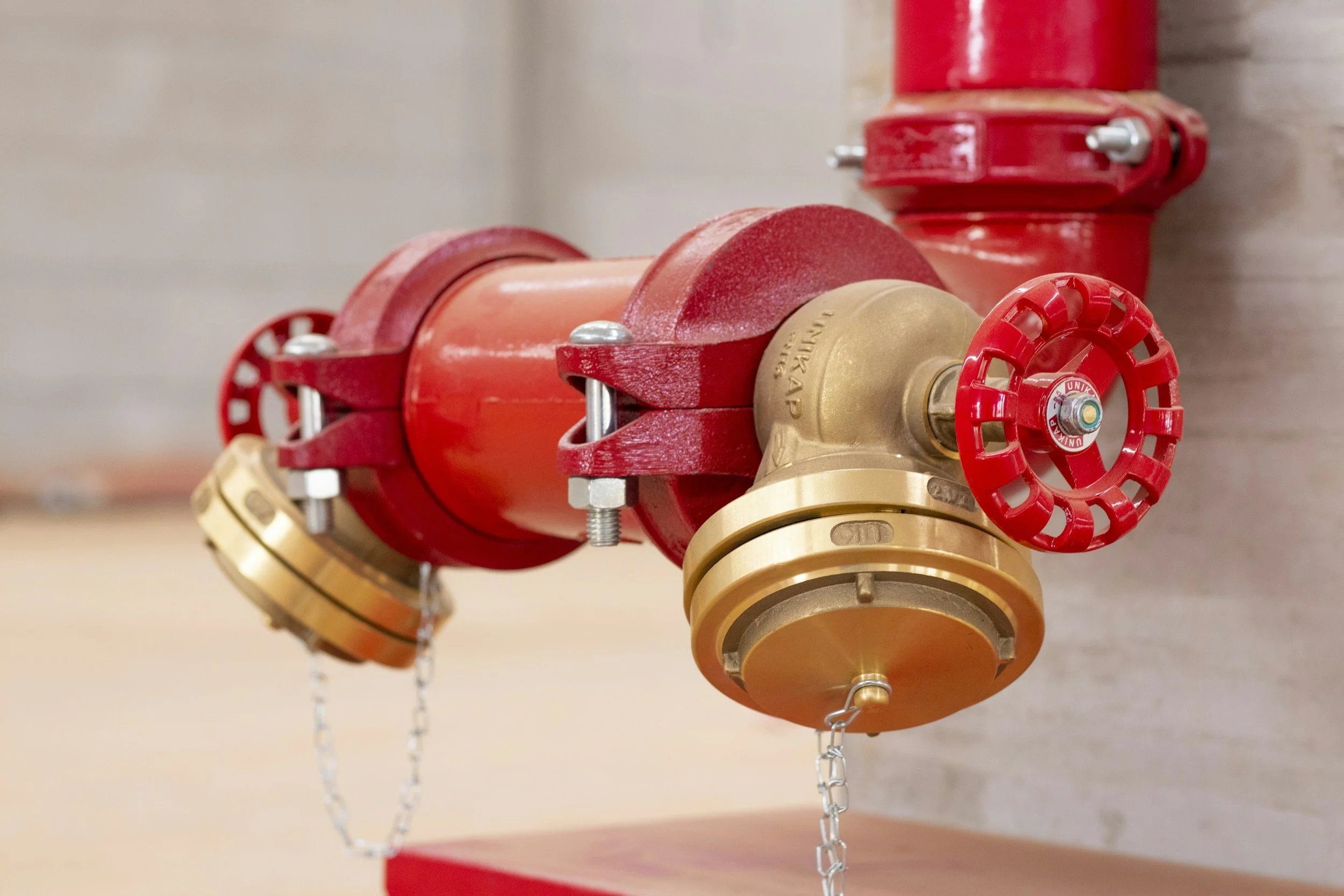
10. Access and facilities for the fire and rescue service, including dry/wet risers;
Every building is different, so the strategy needs to be specific to the property - not a generic template. A strategy for a small commercial unit will look very different from one for a converted residential block or a mixed-use development.

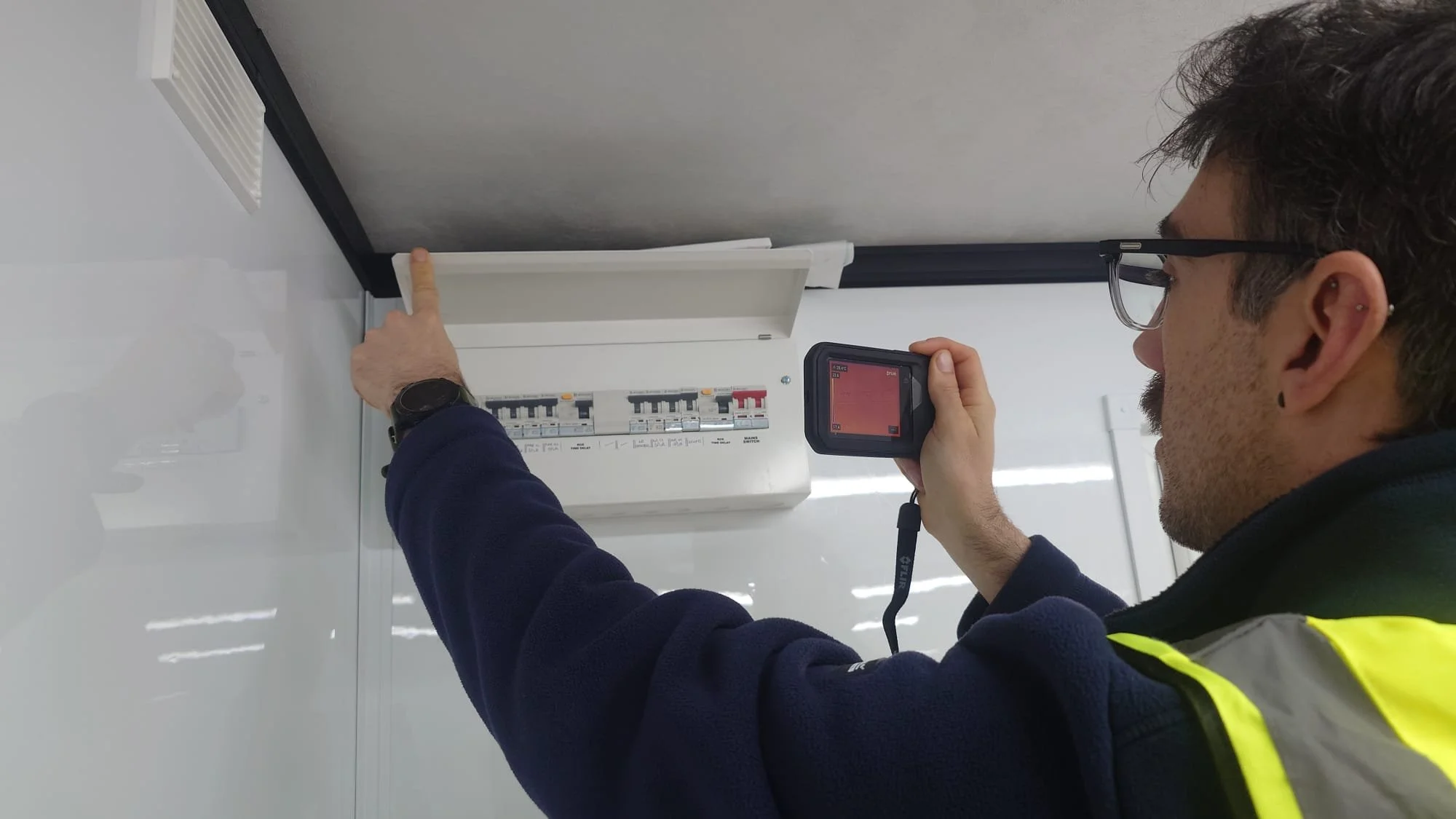
Extensive experience assessing a range of building types, including converted residential blocks, warehouse and office developments, and listed buildings.
We’re team players – we know that all stakeholders have a part to play and know when input is needed from customers, designers, local authority and the Fire & Rescue Service.
Strategies written to be genuinely useful - clear enough for building control, architects and contractors to work from, not just paperwork to file away.
Joined-up thinking between Fire Strategy, Fire Risk Assessment and insurance risk perspectives, so recommendations hold up from every angle and to suit the purpose of your strategy.
Registered on the National Fire Risk Assessor Register (NFRAR) at Intermediate/Tier 2 Level. We have been externally assessed as being competent in assessing medium risk occupancies including schools, small manufacturing environments, public venues, mid-rise residential blocks and hotels.
Qualified to SCQF Level 10/RQF Level 6, higher than most Fire Risk Assessment qualifications (typically RQF Level 3 or 4).
Small, Devon-based business. Low overheads, lower prices and accountability that national companies often can’t offer.
Flexible hours - need a survey after business hours? No problem.
Why Choose Second Sight Risk Management for your Fire Risk Strategy?
Good question! There’s a few reasons:
Associate Member of the Institute of Fire Safety Managers (IFSM) and Member of the International Institute of Risk & Safety Management. This is achieved by assessment of professional experience and qualification, and requires continued professional development and learning.
Study completed in 2025; we have knowledge of the most up-to-date legislation and guidance.
Fully insured with public liability and professional indemnity insurances to £2 million.

If you need a Fire Strategy or risk management advice, get in touch today!
Contact us
Interested in working together?
Send a message and begin your risk reduction journey.
Or contact us on LinkedIn:
https://www.linkedin.com/company/second-sight-risk-management