
Fire Door Inspections
Why Do Fire Doors Matter?
Fire doors are an often overlooked but integral fire safety measure. Their main purpose is to delay the spread of fire and smoke within a building by maintaining the fire resisting properties of the room’s structure - this is a concept called ‘compartmentation’ and is essential in ensuring both life safety and property protection.
Not all doors need to be fire doors and the exact locations in which they’re required varies by building. Generally fire doors are needed in rooms where ‘high hazard’ activities take place, such as plant rooms or commercial kitchens due to the increased risk of fire starting in these locations, as well as to provide protected escape routes and places of relative safety for building occupants. This helps to prevent designated escape routes from becoming impassable due to fire or smoke spread, and in the case of the latter, provides a safe place for occupants to either wait for further assistance or simply ensures separation from the area affected by fire and smoke where long escape travel distances are present.
Another key role of fire doors is in forming protected compartments where simultaneous evacuation (i.e. all occupants leaving at once) cannot be undertaken safely. This is often the case in care homes and other medical environments where it is not practicable to safely evacuate people from a property promptly or without additional assistance due to their physical or mental health. It is common place for multiple compartments having 60 minute fire resistance to be formed, including with appropriate fire doors, and occupants relocated at least two compartments away from the location of a fire; this is called progressive horizontal evacuation.

What can go wrong?
Fire doors therefore are essential in ensuring life safety during a fire scenario, however this only true if the door is offering the fire resistance it was designed for. Data from the Fire Door Inspection Scheme (FDIS) indicates that 75% of fire doors inspected are not fit for purpose, limiting and potentially entirely negating the impact of their installation.
There are many reasons fire doors may not function correctly, including:
Incorrect Installation. Fire doors are highly engineered products and manufacturers provide installation instructions with them. The fire resisting properties of installed doors can only be guaranteed if these instructions are followed.
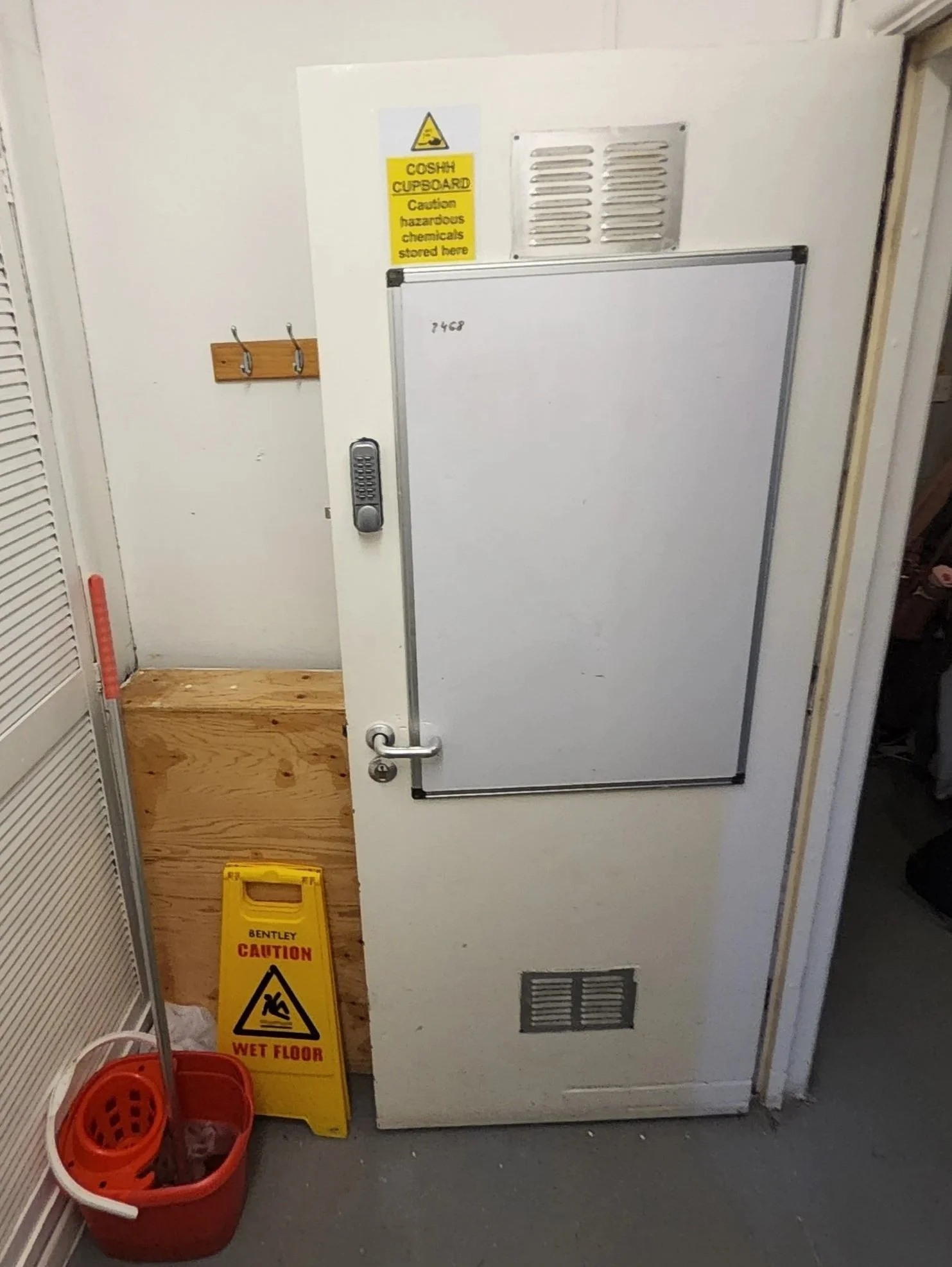
Incorrect accessories, such as non-fire rated handles or hinges.
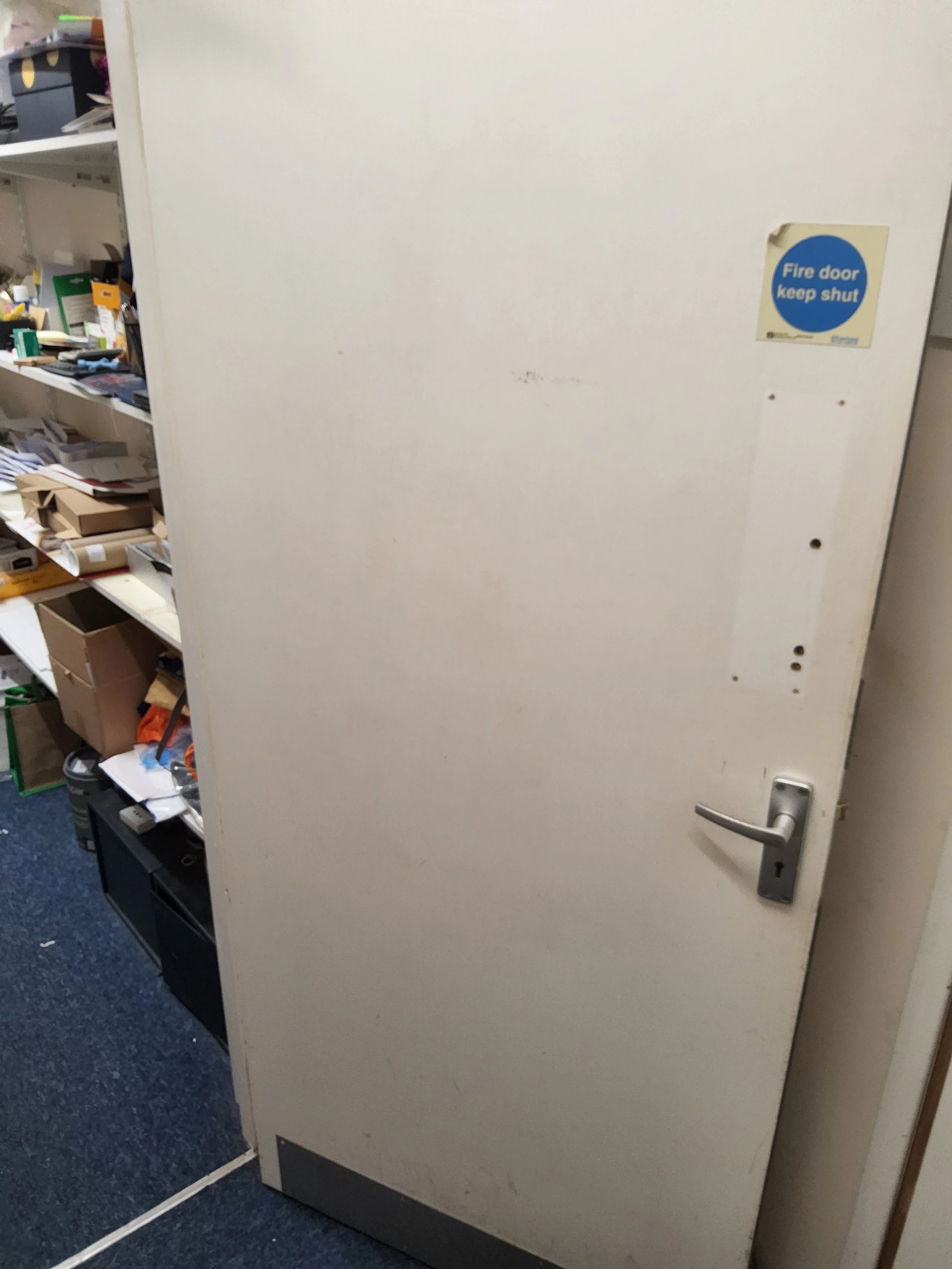
Post-installation modifications including the fitting of glass vision panels incorrectly and by a non-specialist contractor or changing of door furniture. Not only are these often not fire rated and the work doesn’t meet required standards, defects are often left in the door as the result of these changes e.g. holes from where a previous door handle was installed.
Damage to the fire door after installation. This applies to all elements of the door, but common issues include damaged or missing intumescent strips and smoke seals, as well as damage to the door leaf itself.
Large gaps between the door leaf and frame. Typically, these should be between 2-4mm for the top and vertical sides of a door, and between 8-10mm for the bottom (3mm if smoke seals fitted).
Inadequate fire stopping between the fire door frame and wall structure (known as the linear seal). This can be from missing or inappropriate materials.

Our Services
Second Sight Risk Management can undertake dedicated fire door surveys providing you with peace of mind that they will function when you need them to.
We have undertaken a dedicated FireQual Accredited Fire Door Inspection Qualification with UK Fire Door Training, and are an Approved Inspector on their register. We take a risk based approach to fire door inspection, not only considering the condition of existing doors and their installation in comparison to supplier information, but our wider fire risk assessment experience allows us to advise where doors are required.
Each fire door receives a full 22 point check; we provide an inspection sheet for each door as well as a summary sheet of all defects identified alongside the location of the affected doors.
We also tailor our inspection approach to your needs. In addition to the above, we can help implement a fire door asset register, complete with a QR code based labelling system that allows you and any future inspectors to simply scan the code on the door and receive details of our inspections. This prevents records from getting lost and can help you track any repairs or defects identified.
If you need a dedicated fire door inspection survey, either independently or alongside our other services, please get in touch today.
Contact us
Interested in working together?
Send a message and begin your risk reduction journey.
Or contact us on LinkedIn:
https://www.linkedin.com/company/second-sight-risk-management