
Resources
Knowledge is power, and when it comes to risk management, being informed is the first step in preventing property damage and personal injury at your premises.
We’ve pulled together a selection of educational resources to help you mitigate against hazards that may affect your business. These vary from quick briefing notes to in-depth guides and Approved Codes of Practice (ACOPs) that will help you stay legally compliant. The checklists at the back of the RISCAuthority documents are particularly helpful.
If you need advice on any hazards not covered here, it’s always worth checking the Fire Protection Association (FPA) Document Library and the Health and Safety Executive (HSE) Document Library.
Although brilliant documents, they cannot replace the experience of an appropriately competent person. It’s important to seek assistance if you need help understanding or applying any of the guidance documents.
Your Insurer may also request/require protection beyond the standards detailed in these guidance documents. It is always worthwhile confirming suitability of any proposed mitigation with your Insurer before implementation.
Don’t miss our ‘Risk Round-ups’ videos, which we’ve made specifically to provide an introduction to many common hazards and mitigation methodologies.
Please note: Links or references to third-parties are not an endorsement of their business or wider practices.
Documents
Fire Safety
-
Statistics indicate that up to 40% of fires are caused by arson, or deliberate fire setting.
Arson Prevention - RISCAuthority RC48
-
Commonly known as ‘fire alarms’:
Fire Alarm Coverage Check: Do I have the right level of fire detection installed at my premises? - Second Sight Risk Management
Commercial System Overview - RISCAuthority AFPG-30
Managing Fire Detection Systems - RISCAuthority RC47
Aspirating Systems - RISCAuthority AFPG-31
Optical Beam Systems - RISCAuthority AFPG-36
Linear Heat Detection Systems - RISCAuthority AFPG-33
Point Detectors - RISCAuthority AFPG-32
Video Fire Detection - RISCAuthority AFPG-34
-
The combustibility of construction materials is described in the standard BS EN 13501-1.
A helpful guide has been produced by Klasse Group.
-
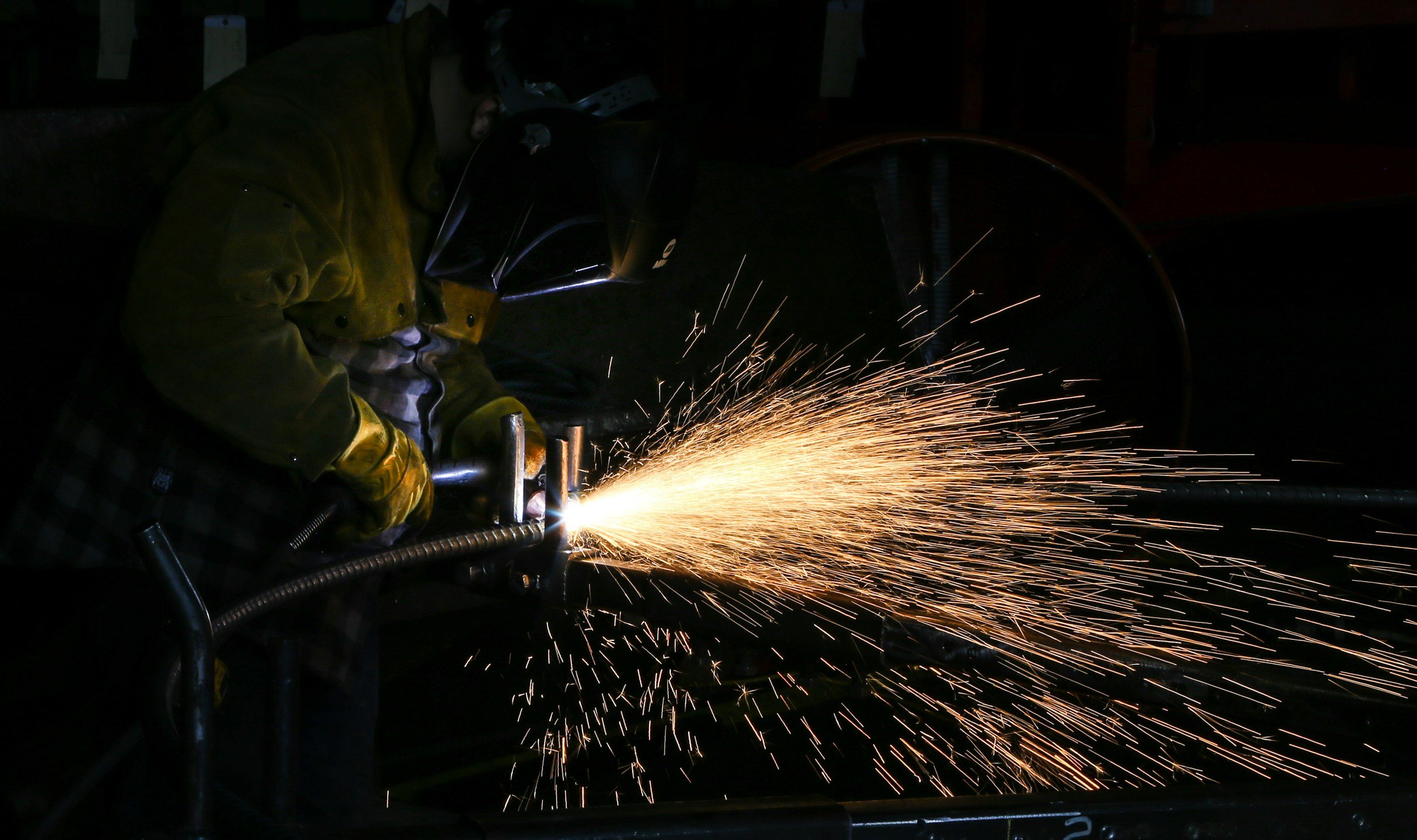
Hot works includes any type of work involving the use of gas or electric welding or cutting apparatus, blow lamps, blow torches, grinding wheels, cutting discs or bitumen or tar boilers. This is one of the most common causes of fire incidents, with some data sources indicating that 15% of all fires in commercial and industrial settings are caused by hot works.
Managing Contractors - HSE HSG159
Hot Works - RISCAuthority RC7 & Second Sight Risk Management’s Own Guidance & Permit Template
-
Electrical fires account for 25% of all workplace fires.
Inspection frequencies of fixed wiring/portable appliances varies by occupancy of building and nature of appliance.
Biomass Boilers - RISCAuthority RC64
E-Cigarettes -RISCAuthority Briefing Note
E-Cycles/Scooters - Department for Transport Guidance
Electric Vehicle (EV) Charging - RISCAuthority RC59
Extension Leads - RISCAuthority Briefing Note
Fixed Wiring: Electrical Installation Condition Reporting (EICR) - Electrical Safety First Best Practice Guide
Fixed Wiring - Testing Frequencies (IET Guidelines)
Lithium-ion Battery Use & Storage - RISCAuthority ‘need to know’ document RE3
Portable Appliance Testing - HSE HSG107 & HSE INDG236 (Low Risk Environments)
Solar (Photovoltaic Panels) - RISCAuthority RC62 & shorter ‘need to know’ RE3 Document
Solar (Photovoltaic) Panels: Battery Energy Storage Systems (BESS) - ‘need to know’ RE1 Document
-
-
The Fire Safety Advice Centre provide a helpful introduction to fire extinguishers.
-
The Gov.UK website provides information regarding the essential stages of fire risk assessment, as well as providing guides for specific trades/occupancies.
See ‘Templates’ below for a fire risk assessment template.
-
Highly flammable liquids have a flash point of 23°C, while flammable liquids have a flash point of 23-60°C. At these temperatures, vapour from these liquids can ignite briefly, causing fire inception.
Combustible dusts can cause significant explosions.
Acetylene Storage & Handling - RISCAuthority RC49
Aerosol Storage - RISCAuthority RC19
DSEAR: Dangerous Substances & Explosive Atmosphere Regulations 2002 (NOTE THIS INCLUDES DUSTS) - HSE L138
Dusts - HSE HSG103
Gas Cylinder storage, use and handling - RISCAuthority RC8
Hand Sanitizer Storage - HSE Briefing Note
Highly Flammable Liquid Storage (Containers) - RISCAuthority RC56
Highly Flammable Liquid Storage (Bulk, Fixed Tanks) - RISCAuthority RC57
Liquified Petroleum Gas Cylinder - Calor Gas Guide
-
Catering Kitchen Fire Safety - RISCAuthority RC68
Catering Kitchen Extraction Ventilation - RISCAuthority RC44
Food Smoking Processes - RISCAuthority RC60
3D Printing - RISCAuthority RC65
Laundries/Laundry Rooms - RISCAuthority Briefing Note
Unoccupied Buildings, including security - BDM10 Code of Practice for the protection of empty buildings: fire safety and security
-
Fire suppression systems are designed as ‘life safety’ systems designed to protect occupants of a building or facilitate evacuation in the event of a fire, or as ‘property protection’ systems which are typically more substantial and designed to limit property damage in the event of a fire.
Argonite Systems (for server rooms, electrical equipment etc) - RISCAuthority AFPG-05
Kitchen Fire Suppression Systems - RISCAuthority AFPG-15
Sprinkler Systems & Extinguishing Systems Overview - RISCAuthority AFPG-01
Sprinkler Systems: Life Safety - RISCAuthority AFPG-14
Sprinkler Systems: Property Protection - RISCAuthority AFPG-13
Sprinkler Systems - Servicing & Maintenance Guidance, Checklists etc
Watermist Systems - RISCAuthority AFPG-02

Other Perils (Water etc)
-
Escape of Water - Zurich Insurance Tennant’s Guide
Leak Detection - Ecclesiastical Insurance Guide
-
Find out your risk of river or surface water flooding with Gov.UK Flood Map for Planning
Prepare for a flood with Gov.UK Business Flood Plan Checklists
Business Continuity
-
Following a serious fire:
25% of businesses never re-open.
80% of companies who don’t recover in a month are likely to go out of business.
The RISCAuthority’s Business Continuity for Small and Medium Businesses can help prevent this from happening to you.
-
75% of businesses without Business Continuity plans fail within 3 years.
RISCAuthority has a free interactive toolkit that can help you produce a business continuity plan and be prepared.
-
Make sure your business continuity plan is up to the job by testing it with hypothetical scenarios BEFORE a major event.
The RISCAuthority Comprehensive guide to running BCM tabletop scenario exercises can help put your preparation to the test.

Security
-
Cash risk assessment and security management: An insurers’ guide - RISCAuthority S18
Cash Security: A user’s guide - RISCAuthority S22
-
Countryside Crime - RISCAuthority S36
Essential Principles for The Security of Property - RISCAuthority S20
Guidelines for Shop Front Protection - RISCAuthority S16
Measures for the Control of Metal Theft - RISCAuthority S21
Security Guarding Services - RISCAuthority Security Bulletin
Unauthorised Occupation of Non-Residential Premises - RISCAuthority S31
-
Intruder Alarm Systems: Ten Step Guide for Purchasers - RISCAuthority S34
-
Electronic Access Control Systems - RISCAuthority S29
External and Perimeter Security Systems - RISCAuthority Site Security Briefing Note
Fences, Walls & Gates - RISCAuthority Site Security Briefing Note
Security of Emergency Exit Doors in Non-Residential Premises - RISCAuthority S11
Security Guidance for Fog Devices - RISCAuthority S7
-
External Security Lighting - RISCAuthority Site Security Briefing Note
Templates
Fire Risk Assessment Compliance Checklist - Second Sight Risk Management
Hot Works Guidance & Template - Second Sight Risk Management

Episode 1: Portable Appliance Testing (PAT)
Risk Round-Ups
Contact us
Interested in working together?
Send a message and begin your risk reduction journey.
Or contact us on LinkedIn:
https://www.linkedin.com/company/second-sight-risk-management