
Fire Extinguishers

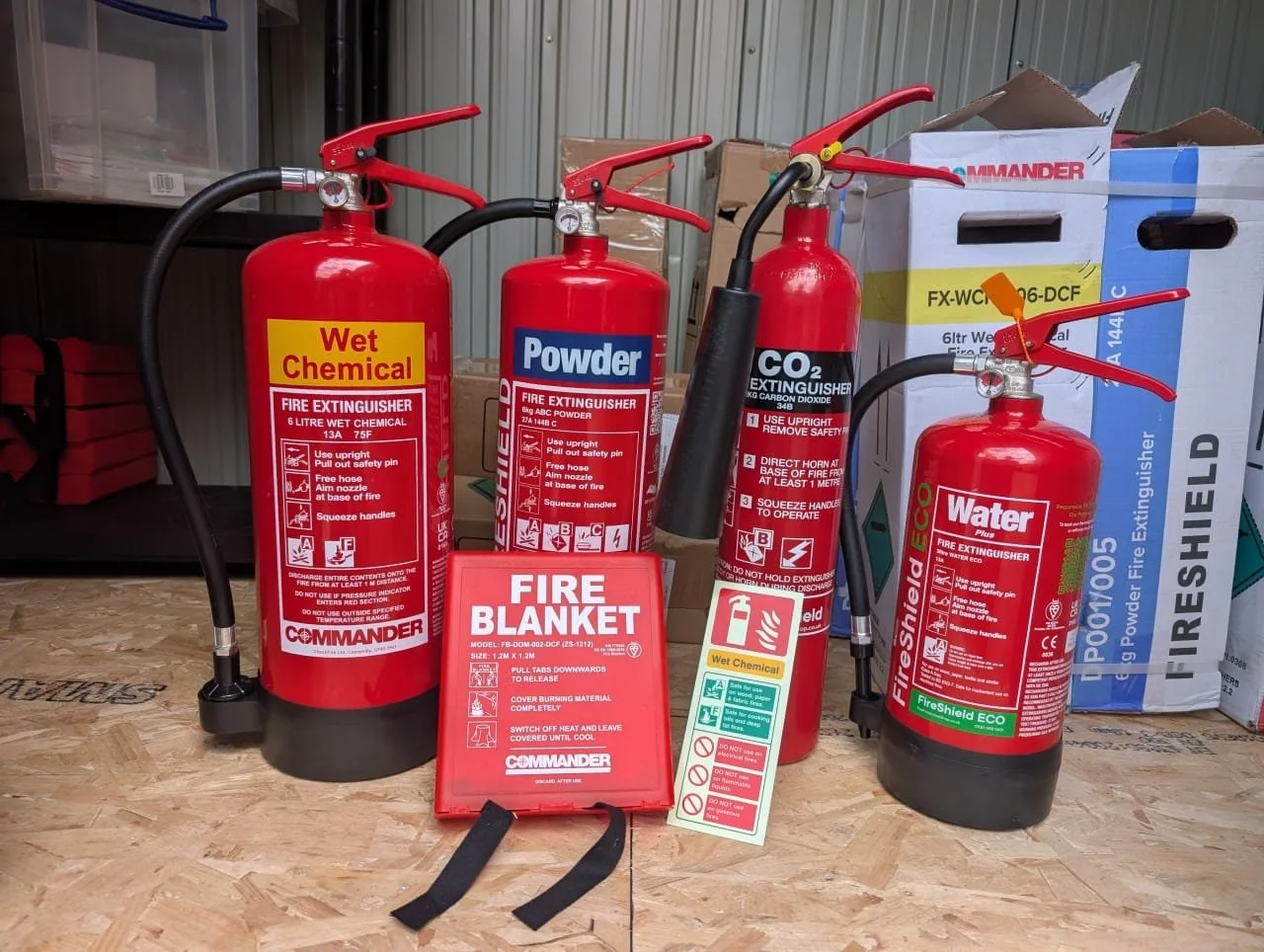
Portable fire extinguishers are the first line of defence against a small fire in its early stages and to facilitate the safe escape of occupants.
However, these appliances only work if they're the right type for the hazards present, correctly sited and properly maintained. Using the wrong type of extinguisher on a fire can at best be ineffective and in a worst case scenario, exacerbate a fire with potentially lethal consequences. Furthermore, if an extinguisher hasn't been serviced it may fail to operate in an emergency situation and it may potentially be in a dangerous condition.
It’s therefore recommended to use a professional to help identify the types, quantity and locations of fire extinguishers in your property, as well as instructing annual servicing to ensure that these operable when they’re needed.
At Second Sight Risk Management, we supply, install and service portable fire extinguishers in line with BS 5306 the British Standard covering the selection, installation, commissioning and maintenance of portable fire extinguishers. Whether you need a full supply of new extinguishers for a premises, an annual service to keep you compliant, or a second opinion on an existing installation, we can help.
What type of fire extinguisher do I need?
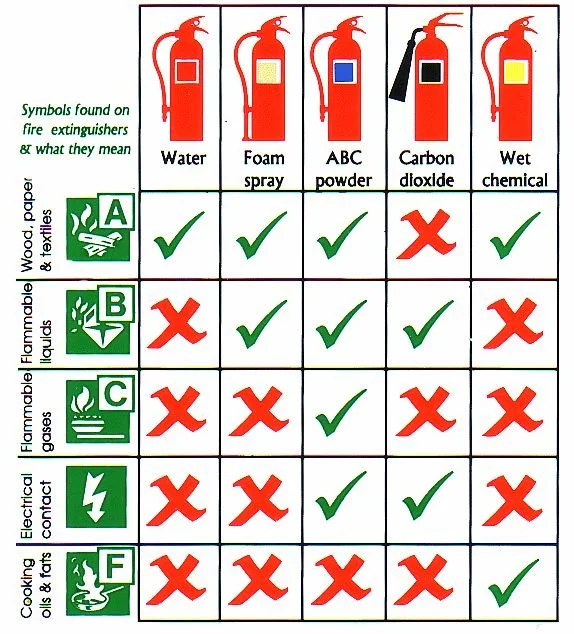
This depends entirely on the hazards present. Fires can be classified by the type of fuel present, for example solid combustible materials, flammable liquids or gases, and the type of extinguisher required depends on the type of fire present. The table to the right provides a quick reference guide for the compatibility of different extinguishers with different types of fires.
The correct number and rating/size of extinguishers present also needs to be determined. There are different selection methods depending on the type of fire however selection methods include assessment of floor area, maximum anticipated spill volumes and the amount of frying oils present.
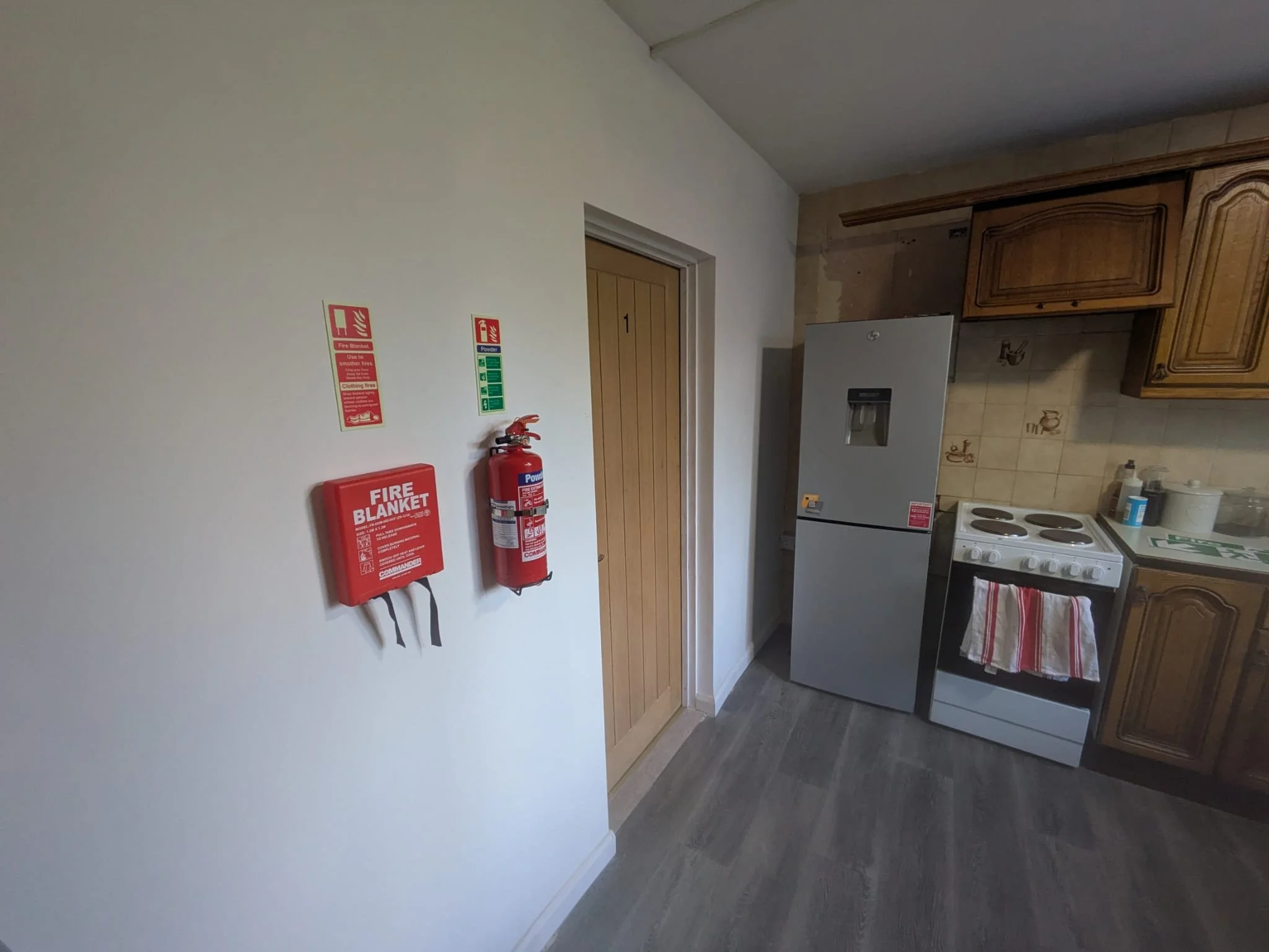
Once selected, extinguishers must be sited correctly and commissioned in order to ensure that they will be safe to use.
Correctly installing fire extinguishers is therefore more complicated than buying appliances and placing them in your building!
Do my fire extinguishers actually need to be serviced every year?
Yes. Under the Regulatory Reform (Fire Safety) Order 2005, the Responsible Person for a premises must ensure that fire-fighting equipment is maintained in efficient working order. BS 5306-3:2017 sets out that portable fire extinguishers should receive a basic service annually, with an extended service or overhaul required at longer intervals depending on extinguisher type. Skipping this isn't just a compliance risk - an unserviced extinguisher may not discharge correctly, or at all, when someone reaches for it in an emergency. Even worse, a damaged extinguisher is potentially dangerous as most appliances are pressurised and as such a weakness in the metal body can lead to it failing in a way similar to an explosion.
Furthermore, many insurance polices stipulate that annual servicing of fire extinguishers is required as part of Policy Conditions. Always read the small print!
What does a service include?
The exact requirements of servicing vary by the type of extinguisher present and the type of servicing (basic service vs extended service vs overhaul).
Servicing can include:
Checking the physical integrity of the fire extinguisher body and discharge hose/horn.
Replacing O rings, a common point of failure.
Checking that the stored pressure is at an appropriate level and that there has been no pressure loss.
Checking that the firing mechanism works and is secured.
Replacing failed or damaged parts.
Remounting appliances.
Can anyone service a fire extinguisher?
No. BS 5306-3:2017 requires that servicing is carried out by a competent person - someone who has received on-the-job experience and completed a recognised training course, followed by successful invigilation. This isn't a box-ticking qualification; it covers the practical skills needed to correctly maintain, pressure test and where necessary discharge and recharge each extinguisher type safely.
What about ‘maintenance free’ extinguishers?
There’s no such thing! Although some extinguishers are described by manufacturers as maintenance free, product instructions advise that inspection is still required but that this can apparently be undertaken by anyone, following provided instructions.
Action is still required to ensure that your appliance will work when it needs to, however YOU are taking all of the risk in checking the safety of the appliance.
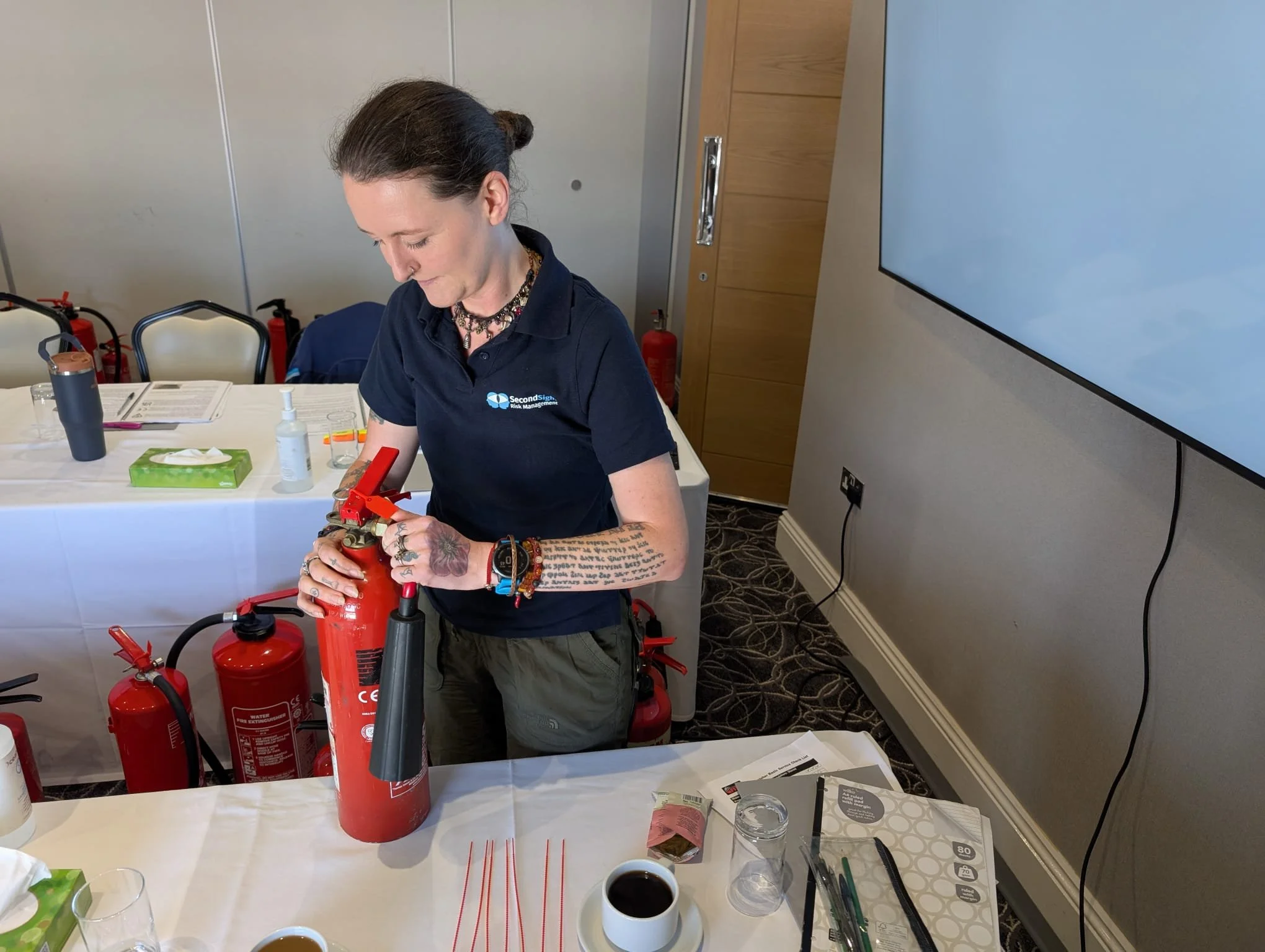
Trained and BAFE invigilated as a competent fire extinguisher technicians. We are qualified to install, commission, service and maintain portable extinguishers to BS 5306.
Joined-up thinking - as we also carry out fire risk assessments and fire strategies, we can advise on the right extinguisher type and positioning based on a genuine understanding of the hazards present, not just a standard package.
Extensive experience assessing a range of building types, including converted residential blocks, warehouse and office developments, and listed buildings. We know that more unusual risks need specialist approaches including specific extinguisher types or aesthetic finishes.
Only quality appliances and parts used. We ensure that all of the extinguisher supplied adhere to BS EN 3 as standard, and we only supply equipment that we would use ourselves.
We benefit from wholesale prices and pass this saving on to the customer.
Why Choose Second Sight Risk Management to supply and install your Fire Extinguishers?
Good question! There’s a few reasons:
Associate Member of the Institute of Fire Safety Managers (IFSM) and Member of the International Institute of Risk & Safety Management. This is achieved by assessment of professional experience and qualification, and requires continued professional development and learning.
Small, Devon-based business. Low overheads, lower prices and accountability that national companies often can’t offer.
Flexible hours - need a survey after business hours? No problem.
Fully insured with public liability and professional indemnity insurances to £2 million.

If you need fire extinguishers or risk management advice, get in touch today!
Contact us
Interested in working together?
Send a message and begin your risk reduction journey.
Or contact us on LinkedIn:
https://www.linkedin.com/company/second-sight-risk-management