
Asbestos Surveys

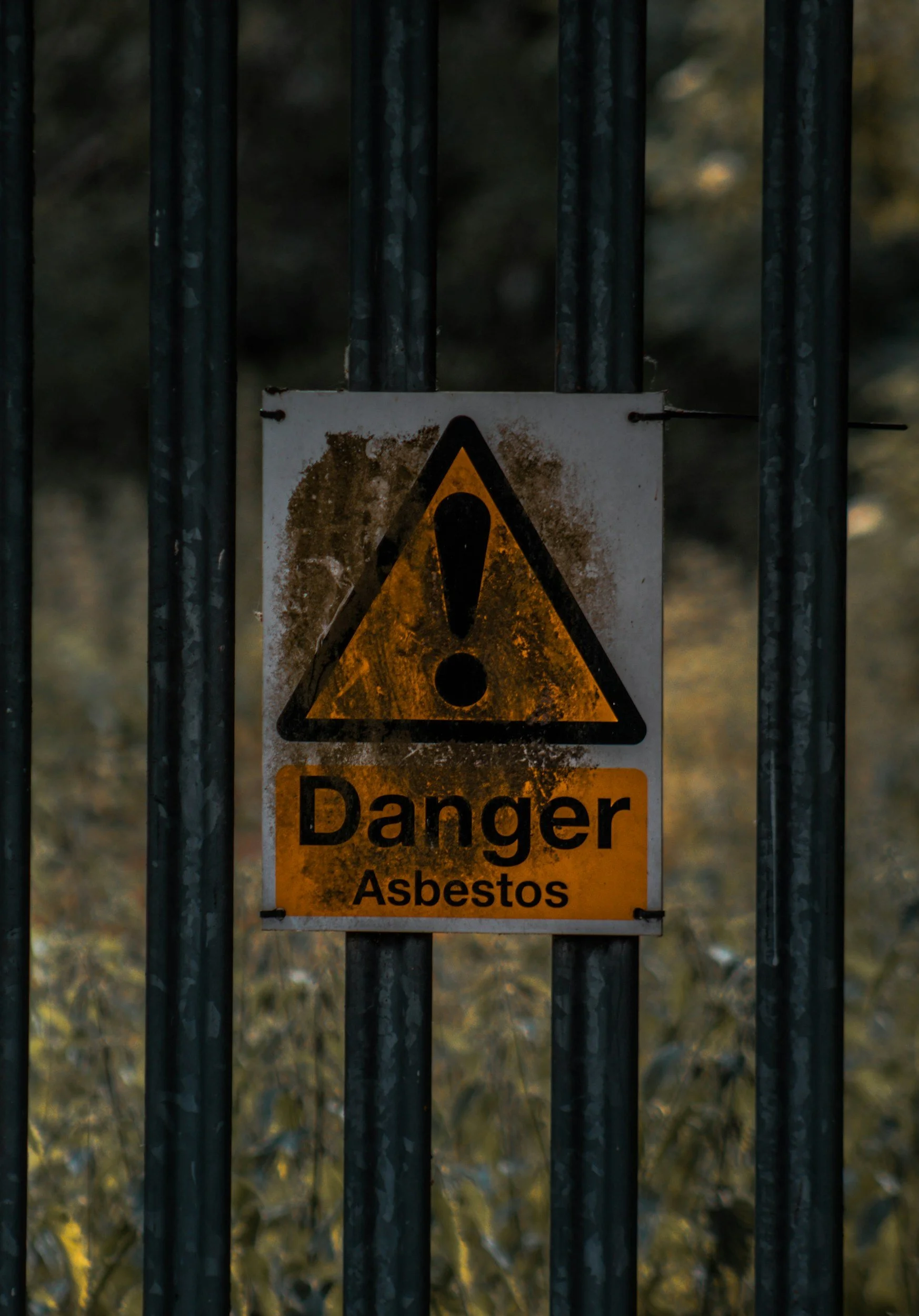
Asbestos is the name given to a group of naturally occurring fibrous minerals, the three most common in UK buildings being chrysotile (white), amosite (brown) and crocidolite (blue). The fibres are strong, heat resistant and excellent insulators, which made them popular in building materials, but they are also microscopically fine and cannot be seen when released into the air.
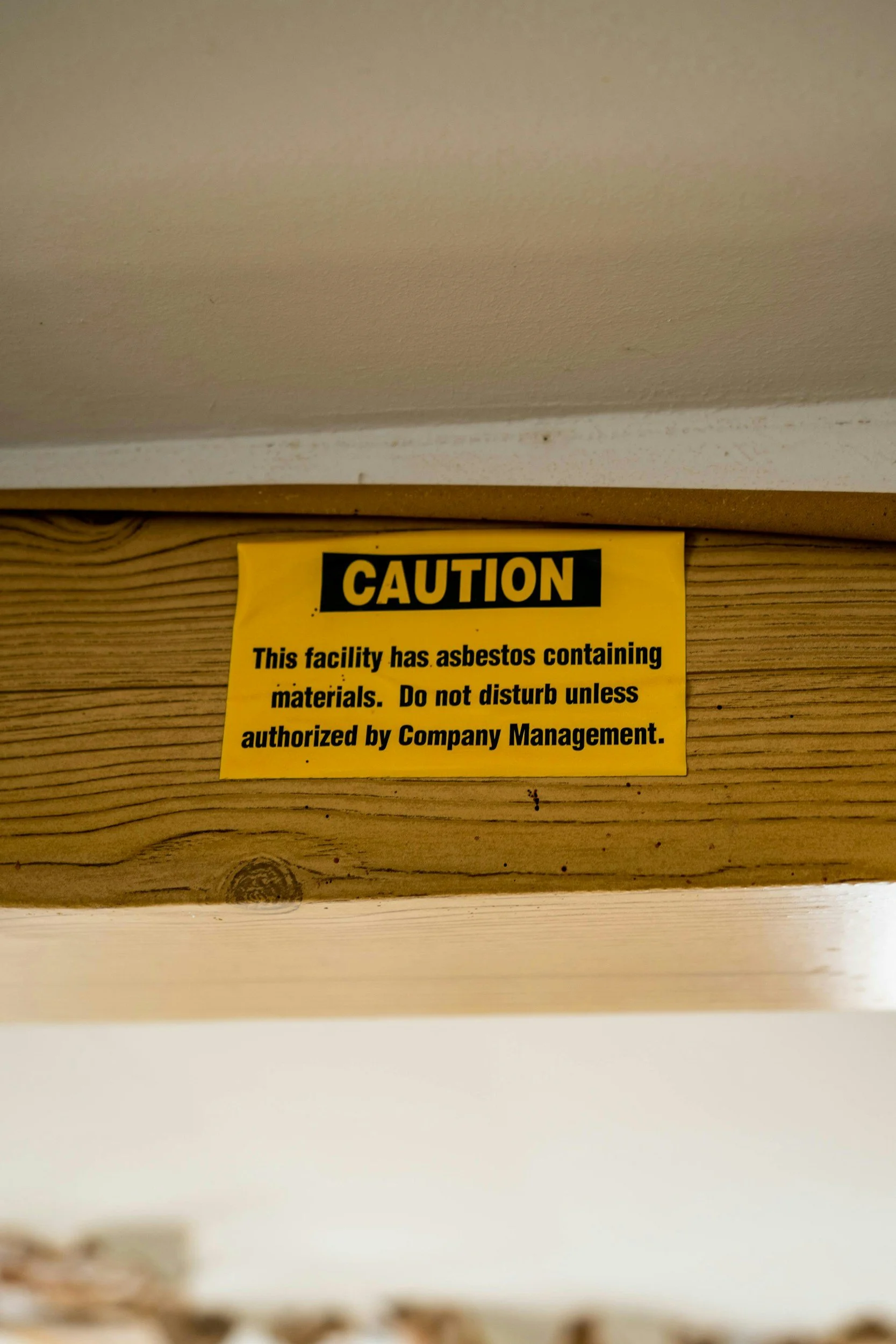
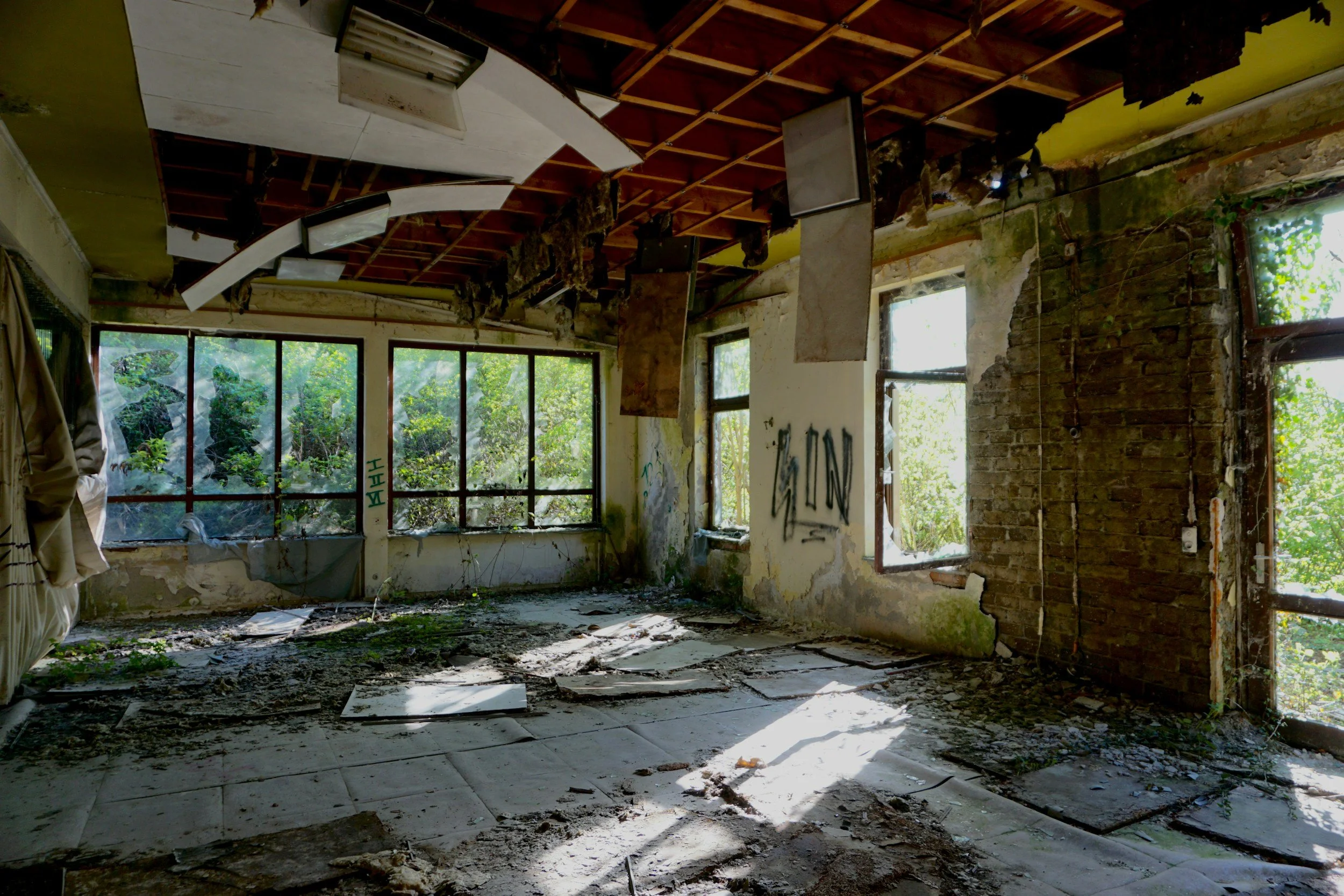
Any building built or refurbished before 2000 could contain asbestos, which was widely used in UK buildings for fireproofing, insulation and general construction until its eventual ban in 1999. Where asbestos containing materials are in good condition and unlikely to be disturbed these present little risk, however the danger comes when materials are damaged, deteriorate or are disturbed during maintenance or building work, releasing fibres that, if breathed in, can cause serious lung diseases including mesothelioma (lung cancer).
You can't manage something if you don't know that it's there, and the only reliable way to find out is an asbestos survey. For non-domestic buildings, finding out is also a legal requirement.
What does the law require?
The main legislation is the Control of Asbestos Regulations 2012 (CAR 2012). Regulation 4 sets out the ‘duty to manage asbestos’, which applies to non-domestic premises - workplaces, shops, hospitality venues, public buildings and so on - as well as the common parts of residential blocks such as entrance halls, corridors, stairwells and plant rooms.
The duty falls on ‘the dutyholder’ who is the owner of the premises, or anyone with responsibility for maintenance or repair through a contract or tenancy. Where there is no such contract, it falls on whoever has control of the premises. In practice that is often a landlord, managing agent, business owner or tenant.
A dutyholder must:
Take reasonable steps to find out whether asbestos is, or is likely to be, present and what condition it is in.
Keep a written record of the results - commonly called an ‘asbestos register’.
Assess the risk and prepare a written plan for managing it.
Monitor, review and update that plan, and make sure that anyone liable to disturb the asbestos, such as maintenance staff and contractors, is told where it is.
Failing to meet these requirements can result in enforcement action, unlimited fines and, in serious cases, imprisonment. An asbestos survey is how most duty holders gather the information they need to comply.
The Health and Safety Executive's (HSE) guidance, HSG264 Asbestos: The Survey Guide, describes two types of survey.
Choosing the right one matters - a survey that isn't suited to the work planned can leave asbestos undiscovered until somebody disturbs it.
Management Surveys
A management survey is the standard survey for occupied buildings and the usual starting point for meeting the duty to manage. Its purpose is to locate, as far as reasonably practicable, any asbestos-containing materials (ACMs) that could be damaged or disturbed during normal occupation of the building - including foreseeable maintenance work - and to assess their condition.
What does a management survey involve?
Review of building plans and information about the premises before site visit, so the survey is properly planned and specific to your building.
A systematic inspection of all reasonably accessible areas, including ceiling voids, lofts, risers, service ducts, basements and plant rooms. Some minor intrusive work is normal, such as lifting access panels, but it does not involve major destructive inspection.
Sampling of suspect materials, which are sent to a UKAS-accredited laboratory for analysis. Where appropriate, materials can instead be presumed to contain asbestos. Any area that cannot be accessed must also be presumed to contain asbestos and is clearly recorded in the report, so that nobody works there until further checks have been made.
A material assessment of each ACM, scoring how easily it would release fibres if disturbed. This helps you to prioritise what needs action.
What will I receive?
No. BS 5306-3:2017 requires that servicing is carried out by a competent person - someone who has received on-the-job experience and completed a recognised training course, followed by successful invigilation. This isn't a box-ticking qualification; it covers the practical skills needed to correctly maintain, pressure test and where necessary discharge and recharge each extinguisher type safely.
Is that the end of the process?
No, and it's important to understand this. The survey provides the information, but as the dutyholder you still need to complete a risk assessment, produce and implement a management plan and keep both up to date. Your assessment must be reviewed without delay if there is reason to think it is no longer valid, or if the building changes significantly - for example, following building work.
A management survey isn't designed to cover major building work. For that, you need a Refurbishment and Demolition survey described below.
Common Questions
Do I need an asbestos survey?
If you own or manage non-domestic premises, or the common parts of a residential block, that were built or refurbished before 2000, it is likely that you do. Buildings constructed from 2000 onwards are generally considered asbestos free, but if you are unsure please get in touch.
Which survey do I need?
If the building is occupied and in normal use, a management survey. If building work is planned, or the building is to be demolished, a refurbishment and demolition survey of the area affected. Many premises need both over their lifetime, and some need both at once - for example, a management survey of the whole building alongside an R&D survey of the area being refurbished.
What happens if asbestos is found?
Not necessarily removal. The duty to manage doesn't require asbestos to be removed, and asbestos in good condition that is unlikely to be disturbed can often be safely left in place, monitored and managed. If it is damaged or likely to be disturbed, options include sealing, enclosing, repairing or removing it, and the material assessment in your survey report helps you to decide. Higher risk work must be carried out by an HSE-licensed contractor.
How often does a survey need to be repeated?
A management survey doesn't need repeating as a matter of course, but your asbestos register and management plan do need to be kept up to date. The assessment must be reviewed without delay if there is reason to think it is no longer valid, or if there is a significant change to the premises, and the plan must be reviewed at regular intervals. A refurbishment and demolition survey is needed each time new work is planned in an area that hasn't been surveyed.
Can anyone carry out an asbestos survey?
A surveyor must be competent. HSG264 expects surveyors to have the training, qualifications, knowledge and experience for the work, to be independent and impartial, and to follow recognised guidance. HSE strongly recommends using surveying organisations accredited by the United Kingdom Accreditation Service (UKAS) where possible; however, there is no legal requirement for surveyors to be accredited and, where one isn't used, HSE advises making reasonable enquiries - asking for qualifications, written procedures, insurance certificates and references. Whoever you choose, check that sample analysis is carried out by a UKAS-accredited laboratory, as CAR 2012 requires.
Refurbishment and Demolition Surveys
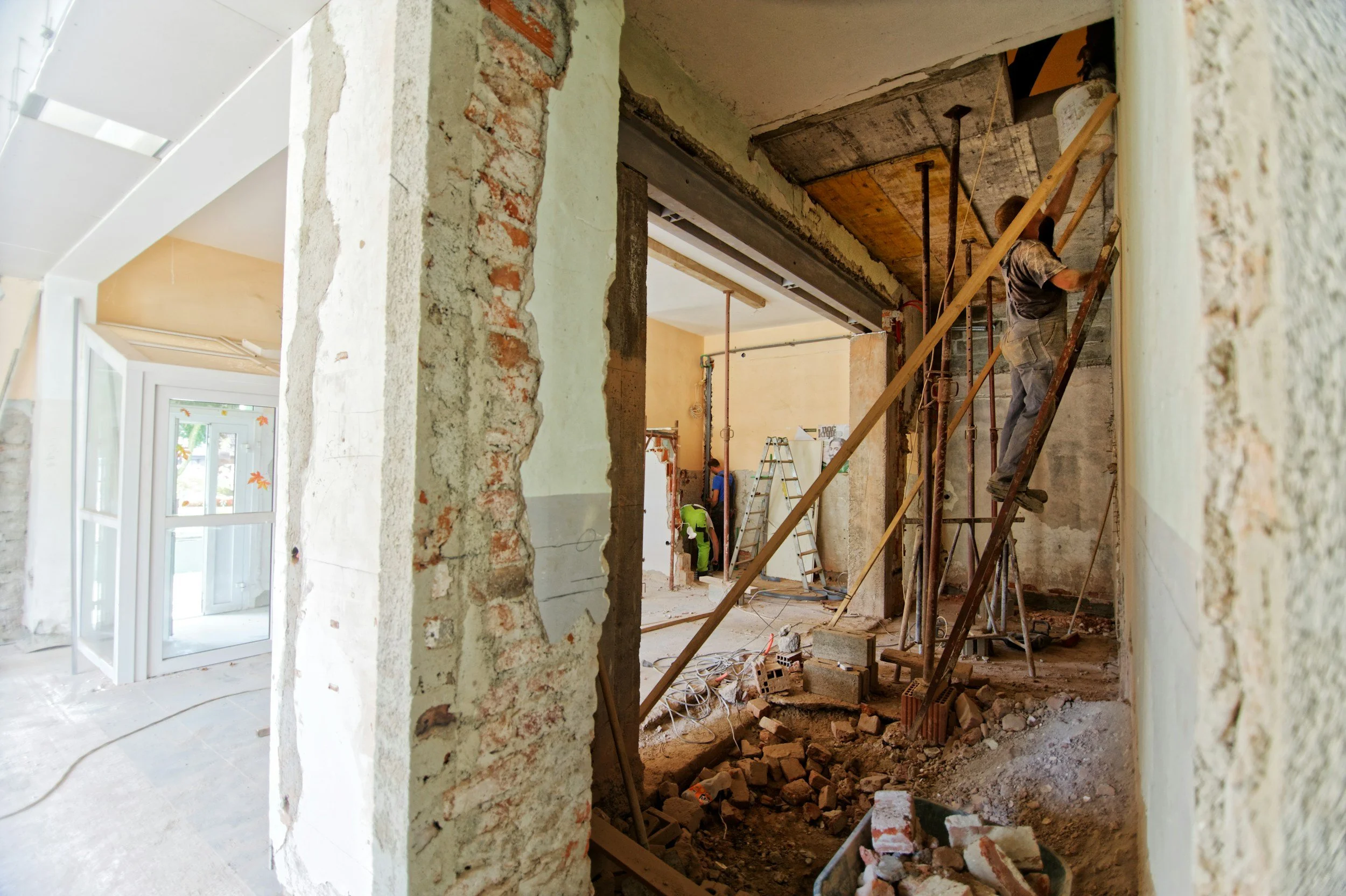
Before building work starts, you need to know where all of the asbestos is - not just the asbestos that might be disturbed during everyday use of the building. A refurbishment and demolition survey (often shortened to ‘R&D survey’) locates and describes, as far as reasonably practicable, all ACMs in the area where work will take place or, if demolition is planned, in the whole building.
When is a refurbishment and demolition survey needed?
Before refurbishment, strip-out, extension or alteration work that will disturb the fabric of the building.
Before full or partial demolition.
Before more intrusive maintenance or repair work, or the removal of plant, in areas where a management survey hasn't been intrusive.
What does it involve?
This is a fully intrusive survey. To find asbestos hidden within the structure, the surveyor may need to lift flooring, open up ceilings, partitions and cladding, and inspect cavities and voids, so some damage is unavoidable. For this reason the area being surveyed should be unoccupied, isolated and protected to stop debris spreading, and arrangements for making good are agreed in advance.
Because it is so disruptive, we plan each survey with you beforehand, agreeing the scope, access, isolation of services and timings, and can work out of hours to minimise disruption. Samples are analysed by a UKAS-accredited laboratory, and the report gives designers and contractors the location, extent, product type and asbestos type of every ACM found, so that the work can be planned safely.
What does the law say?
Several pieces of legislation rely on this information being available before work starts:
Control of Asbestos Regulations 2012, Regulation 5 - an employer must not carry out demolition, maintenance or any other work that is liable to expose their employees to asbestos unless they have first assessed whether asbestos is present or, where there is doubt, assumed that it is.
Regulation 7 - for final demolition or major refurbishment, the plan of work must, so far as is reasonably practicable, require asbestos to be removed before any other major works begin.
Regulation 8 - removal of higher risk materials such as sprayed coatings, lagging and insulating board must be carried out by a contractor licensed by HSE.
Construction (Design and Management) Regulations 2015 (CDM 2015) - the client must provide designers and contractors with the pre-construction information they need, including what is known about asbestos. HSE guidance makes clear that a general reference to the possibility of asbestos isn't enough: site-specific survey information should be available before construction work begins.
If asbestos is found, you'll know about it before work starts and can arrange for it to be dealt with by an appropriately qualified, and where required licensed, contractor. Without a survey, you risk exposing workers to asbestos fibres, and costly delays if suspect material is discovered once work is underway.
Trained and BAFE invigilated as a competent fire extinguisher technicians. We are qualified to install, commission, service and maintain portable extinguishers to BS 5306.
Joined-up thinking - as we also carry out fire risk assessments and fire strategies, we can advise on the right extinguisher type and positioning based on a genuine understanding of the hazards present, not just a standard package.
Extensive experience assessing a range of building types, including converted residential blocks, warehouse and office developments, and listed buildings. We know that more unusual risks need specialist approaches including specific extinguisher types or aesthetic finishes.
Only quality appliances and parts used. We ensure that all of the extinguisher supplied adhere to BS EN 3 as standard, and we only supply equipment that we would use ourselves.
We benefit from wholesale prices and pass this saving on to the customer.
Why Choose Second Sight Risk Management for your Asbestos Survey?
Good question! There’s a few reasons:
NEBOSH General Certificate qualified and a Technical Member of the Institution of Occupational Safety and Health (TechIOSH), so surveys are planned with the safety of your staff, your contractors and ourselves in mind.
Small, Devon based business. Low overheads, lower prices and accountability that national companies often can't offer.
Flexible hours - need a survey after business hours, or while a building is empty? No problem.
Fully insured with public liability and professional indemnity insurances to £2 million.

If you need an asbestos survey or risk management advice, get in touch today!
Contact us
Interested in working together?
Send a message and begin your risk reduction journey.
Or contact us on LinkedIn:
https://www.linkedin.com/company/second-sight-risk-management